
Description
TANK CONNECTORS
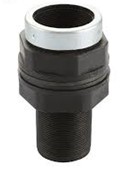
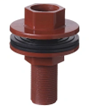
Tank connectors, also known as tank fittings, bulkhead fittings, tank inlets, or tank outlets, are components used to create a secure and leak-proof connection through the wall of a tank or vessel. They allow for the passage of liquids (or other materials) into or out of the tank.
Shiva EA Drip Experts LTD has got different types of Tank Connectors:
* Threaded Tank Connectors: These have threaded ends that screw into corresponding openings on the tank or other fittings. They can have male or female threads.
* Flanged Tank Connectors: These have flanges on both ends that are bolted or screwed onto matching flanges on the tank. Often used in industrial applications for high pressure or corrosive fluids.
* Bulkhead Tank Connectors: Designed to pass through a tank wall. They typically have fittings on both sides of the wall. These often consist of a body, gaskets, and a lock nut to secure the connection.
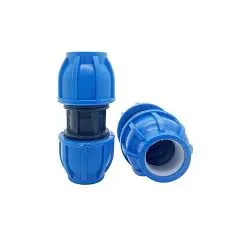
* Push-to-Connect Tank Connectors: Allow for quick and easy connection by simply pushing a pipe or hose into the connector. They use O-rings or seals for a tight fit.
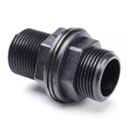
* Male Tank Connectors: Have a male threaded end.
* Male/Female Tank Connectors: Have a male thread on one end and a female thread on the other.
Materials:
Tank connectors are made from various materials depending on the application, including:
* Plastic (PVC, Polypropylene, PE, CPVC): Common for water tanks and general use due to their corrosion resistance and lower cost.
* Brass: Offers good durability and is suitable for various fluids.
* Stainless Steel: Provides excellent corrosion resistance and strength, often used in industrial or more demanding applications.
* Galvanized Steel: A cost-effective option with some corrosion resistance.
Key Components of a Typical Tank Connector:
* Body: our main part of the fitting that passes through the tank wall.
* Gaskets/Seals: Used to create a watertight or airtight seal against the tank wall.
* Lock Nut(s): To tighten and secure the connector to the tank wall.
* Threaded Ends: For connecting to pipes, valves, or other fittings.
How to Choose a Tank Connector:
* Material Compatibility: Ensure the connector material is compatible with the tank material and the fluid being transferred to prevent corrosion or degradation.
* Size and Thread Type: Match the connector size and thread type to the openings on your tank and the fittings you need to connect. Consider the nominal bore (NB) or diameter.
* Application: Consider the pressure and temperature requirements of your application. Flanged connectors are often used for higher pressures.
* Our tank connectors come in different sizes 25mm to 90mm depending on small- or large-scale use of water.



Reviews
There are no reviews yet.